lifesource light green logo

Aquamation in Los Angeles

A gentle, water-based cremation process that transforms the body back into its natural building blocks. This process returns a person to the earth in a respectful, sustainable way.
Aquamation, also known as water cremation or alkaline hydrolysis, is a water-based alternative to flame cremation that uses 90% less energy than conventional cremation, and leaves no harmful emissions. The process leaves behind a nutrient-rich essence that can be safely and responsibly returned to the environment.
Aquamation water cremation
DIRECT water cremation

$3,750

Service fee for funeral director, staff, and overhead.
Preparation of (1) death certificate and permits.
Pickup and transportation to care center in Los Angeles. Includes 25 miles of transport. $3 per additional mile.
Coordination with local medical examiner/coroner, if required. Coroner fees are not included.
Cleaning, preparation, and refrigerated storage - no limit.
Transportation to the disposition location.
Cost of aquamation.
State fees.
Plastic storage container for cremated or composted remains.
Cremated remains can be picked up at our DTLA office or mailed to you at an additional cost.
water Cremation
   + memorial

$4,625

Same as Direct Water Cremation.
Use of LifeSource staff (1) and facilities for a memorial service (3 hours).
water cremation
   + viewing

$4,750

Same as Direct Water Cremation.
Dressing and casketing.
Use of LifeSource staff (1) and facilities for a memorial service (3 hours).

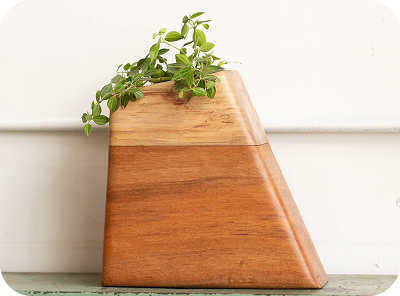
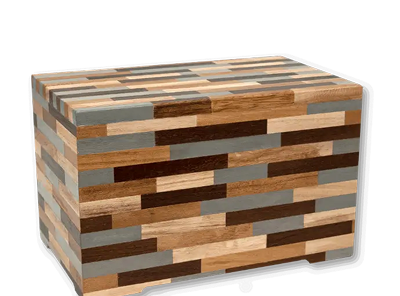
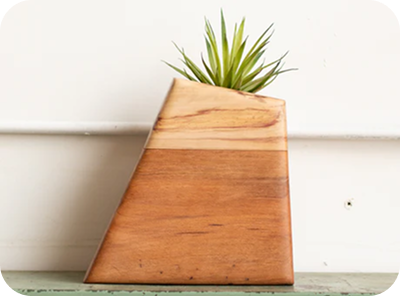
Remains Containers and Living Keepsakes

LifeSource offers sustainable and locally crafted products to help you memorialize your loved one. Nourish new life and memorialize your loved one with a beautiful indoor or outdoor plant.

The Water Cremation
Process

We believe in 100% transparency and are available 24/7 to answer your questions.
SCHEDULE A Consultation

Arrange and Transfer Care.

Meet with LifeSource either virtually or in-person to discuss our aquamation services. Once the services are arranged, LifeSource brings the deceased into our care.

Documentation.

LifeSource records and files the paperwork required to notify the State and County of the death.

Care and Preparation.

Once in our care, the individual is bathed and prepared for the funeral and/or aquamation.

Water Cremation.

The individual is placed in a specialized vessel filled with water and alkali salts (potassium hydroxide, also known as Lye). The alkali solution breaks-down the chemical bonds in the body, gently transforming it into a nutrient-rich solution. Just as with flame cremation, the bones remain intact and are reduced to a fine ash-like powder. The liquid is then treated so it is safe to go to a wastewater treatment facility.

Return of Remains.

Each water cremation produces approximately six pounds of remains, which are available for pick-up at the LifeSource office in Downtown Los Angeles. From Memorial Trees to scattering at sea, LifeSource offers a variety of memorial options that give back and become a source of new life.
SCHEDULE A Consultation

Celebrations and Memorials

What if your values could shape your legacy? Each of our sustainable deathcare options means your goodbye is not just an ending—it’s a gift to future generations. We work with you to find an end-of-life option that heals our planet and is perfectly tailored to your values and your story.

LifeSource is here to help so you can remain present and focus on celebrating and saying goodbye to your loved one. Don’t forget to ask us about our event planning services.
Traditional Viewing and Funeral Service
Traditional Memorial with Remains
Personalized Memorials
Personalized Scattering
Scatter at Sea
Memorial Tree at Better Place Forests
Permanent Keepsakes

Aquamation FAQs

How is alkaline hydrolysis beneficial to the environment?
 • Aquamation uses 85-90% less energy than traditional cremation and produces less emissions than traditional cremation.
 • Like traditional cremation, water cremation avoids the permanent occupation of land for cemeteries that could be used for wildlife habitat, growing food, or housing people.
 • Aquamation avoids the use of large amounts of natural resources like wood, metal, and concrete, all of which are used in traditional burials. Concrete production is one of our society’s greatest contributors to climate-changing greenhouse gas emissions, and its use in conventional burial practices also prevents our soils from absorbing water.

How much water does water cremation use?
This process uses 300-400 gallons of water. This is approximately as much water as someone would use in five days.
What happens to the remaining water?
After the water cremation process, the liquid is full of amino acids, nutrients, and soaps. The water is treated to balance the pH, discharged into the regular sewer system, and sent to a wastewater treatment plant.
Can you scatter remains from water cremation?
Yes! Anything you can do with cremated remains, you can do with hydrolyzed remains!


Start planning now to create new life from loss.

It’s never too early to think about a meaningful goodbye and consider how pre-planning water cremation can take the burden off friends and family.
Plan Ahead
menutext-align-center linkedin facebook pinterest youtube rss twitter instagram facebook-blank rss-blank linkedin-blank pinterest youtube twitter instagram